



























NFTs and Digital Ownership Transformation
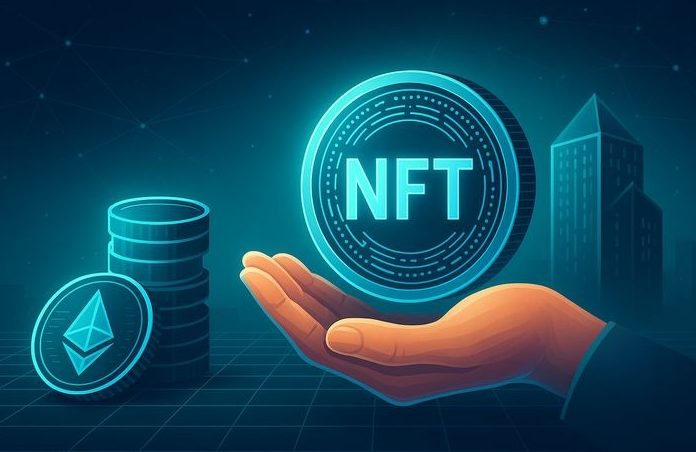
One of the most revolutionary developments to come out of blockchain technology is non-fungible tokens, or NFTs. NFTs fundamentally alter how ownership, legitimacy, and value are determined in the digital realm. NFTs give digital assets provable scarcity and uniqueness, even when digital data like pictures, videos, music, and documents can be replicated endlessly. This innovation has transformed a wide range of industries, including art, gaming, banking, entertainment, and intellectual property. As a result, NFTs are a crucial subject for anybody trying to comprehend the future of the internet, also known as Web3.
Although NFTs have a very different function, their ascent is intimately related to the larger development of cryptocurrencies like Bitcoin and Ethereum. NFTs are distinct digital tokens that cannot be traded one for one, in contrast to cryptocurrencies, which are interchangeable and have the same value. The core of what makes NFTs so potent and even contentious is this distinction.
Fungibility and the Foundations of NFTs
Understanding fungibility is crucial to comprehending NFTs. When every unit is identical and replaceable with another of the same sort, the asset is said to be fungible. One dollar has the same worth as every other dollar, making traditional currencies a prime example. In contrast, non-fungible assets are one-of-a-kind and cannot be swapped out for something equally valuable. This includes rare collectibles, exquisite art, and real estate.
NFTs are blockchain-recorded digital representations of non-fungible assets. Because each NFT has distinct identifying information that is kept in smart contracts, it can be distinguished from other tokens. Ownership information, metadata, and transaction history are examples of this data, all of which are verifiable by the general public. Without depending on a central authority, the blockchain functions as a decentralized ledger that guarantees transparency, immutability, and trust.
NFT Blockchains, Standards, and Minting
NFTs are mainly found on smart contract-capable blockchain networks, the most well-known of which is Ethereum. The ERC-721 and ERC-1155 token standards, which specify the creation, transfer, and management of NFTs, were introduced by Ethereum. NFT ecosystems have also been built by other blockchains, including Solana, Polygon, Binance Smart Chain, and Flow, providing options with varying transaction costs and speeds.

A digital asset is tokenized and recorded on the blockchain when an NFT is made via a procedure called minting. Due to space restrictions, the NFT often does not store the actual media file on-chain. Rather, it includes a link to the file’s location, which is frequently on decentralized storage platforms like IPFS. The proof of ownership and authenticity that provides the NFT its value is still on-chain.
Historical Evolution and Rise of NFTs
The idea behind NFTs predates their widespread acceptance. Tokenizing unique assets was made possible by early attempts like Bitcoin’s Colored Coins. But with initiatives like CryptoPunks and CryptoKitties, which showed how digital collectibles might have real-world value, NFTs attracted a lot of interest. Launched in 2017, CryptoKitties gained so much popularity that it momentarily clogged the Ethereum network, demonstrating the advantages and disadvantages of blockchain technology.
Due to growing interest in cryptocurrency, digital art, and the metaverse, the NFT industry surged in 2020 and 2021. NFTs entered popular attention thanks to high-profile sales, such as the $69 million sale of digital artist Beeple’s artwork at Christie’s. Signaling the cultural and economic importance of NFTs, major businesses, celebrities, and institutions started experimenting with them.
Expanding NFT Use Cases Across Industries
Beyond digital art, NFTs have many more uses. Characters, skins, and virtual land are examples of in-game assets that players can own and sell across platforms thanks to NFTs. The play-to-earn approach has gained popularity because to games like Axie Infinity and The Sandbox, which combine blockchain-based economics with entertainment.
NFTs enable artists in the music and entertainment industries to tokenize records, concert tickets, or exclusive experiences, generating new revenue streams and increasing fan interaction. NFT-based distribution strategies that avoid conventional middlemen have been investigated by artists like Kings of Leon and platforms like Audius.
Additionally, NFTs are having an effect on real estate, intellectual property, and digital identity. NFTs can represent ownership rights in both digital and physical assets, as shown by tokenized deeds, certificates, and licenses. The long-term potential of NFTs beyond speculative trading is highlighted by this combination of blockchain technology and physical assets.

Key Factors Influencing NFT Valuation
A number of factors, such as scarcity, utility, creator reputation, and community involvement, affect the value of NFTs. Perceived worth is frequently raised by limited supply, especially when linked to well-known companies or artists. Provenance is important because blockchain records offer an unchangeable history of ownership, boosting authenticity and trust.
Additional advantages provided by utility-driven NFTs include in-game features, voting rights in decentralized organizations, and access to exclusive content. Network effects, where the strength and engagement of the user base contribute to long-term sustainability, are a common source of value for community-driven enterprises.
NFT prices are also impacted by broader cryptocurrency trends, market dynamics, and speculation. Even if some NFTs have sold for extremely high prices, the market is still unstable, which emphasizes how crucial it is to comprehend both the risks and the opportunities.
Criticisms and Challenges Facing NFTs
NFTs are criticized in a number of ways despite their ingenuity. Market volatility and speculative behavior have led to concerns about bubbles and financial risk for inexperienced buyers. Other issues that have surfaced include scams, copyright violations, and rug pulls, highlighting the importance of education and careful diligence.
Another significant complaint has been the influence on the environment, especially with reference to blockchain networks that use a lot of electricity. Some of these issues were resolved when Ethereum switched to proof-of-stake, which drastically decreased its carbon footprint. Alternative blockchains that use less energy have also become more popular among collectors and artists who care about the environment.
Introduction to NFTs: Wallets, Marketplaces, and Security
Learning the fundamentals of blockchain wallets, marketplaces, and security procedures is the first step towards comprehending NFTs for novices. Users can store NFTs and communicate with decentralized apps using wallets like MetaMask or Phantom. NFT markets that offer platforms for purchasing, selling, and finding NFTs in various categories include OpenSea, Rarible, and Magic Eden.
Since the NFT space is changing quickly, education is still crucial. In order to affect the future of digital assets, beginners should concentrate on comprehending the technology, assessing project foundations, and keeping up with regulatory advancements.
NFTs as the Foundation of Web3 Economies
The concept of Web3, an internet where individuals own their data and digital assets, is based on NFTs. NFTs serve as the foundation for virtual economies in the metaverse, allowing for platform-to-platform interoperable ownership. NFTs can represent land, avatars, and digital assets, combining social interaction with economic activity, as demonstrated by virtual worlds like Decentraland and Roblox.
NFTs are anticipated to become more crucial in forming digital identities and experiences when augmented reality, virtual reality, and blockchain technologies come together.
Final Thoughts
In the current internet era, NFTs signify a fundamental change in the definition of digital ownership and value. NFTs provide up new opportunities for users, companies, and artists by fusing blockchain technology with distinctive digital assets. Even though there are still obstacles to overcome, NFTs’ ongoing development indicates that they will continue to be a key component of Web3, influencing the direction of online communication and digital economy. For novices, comprehending NFTs now offers an essential basis for negotiating the quickly evolving digital environment of the future.