





























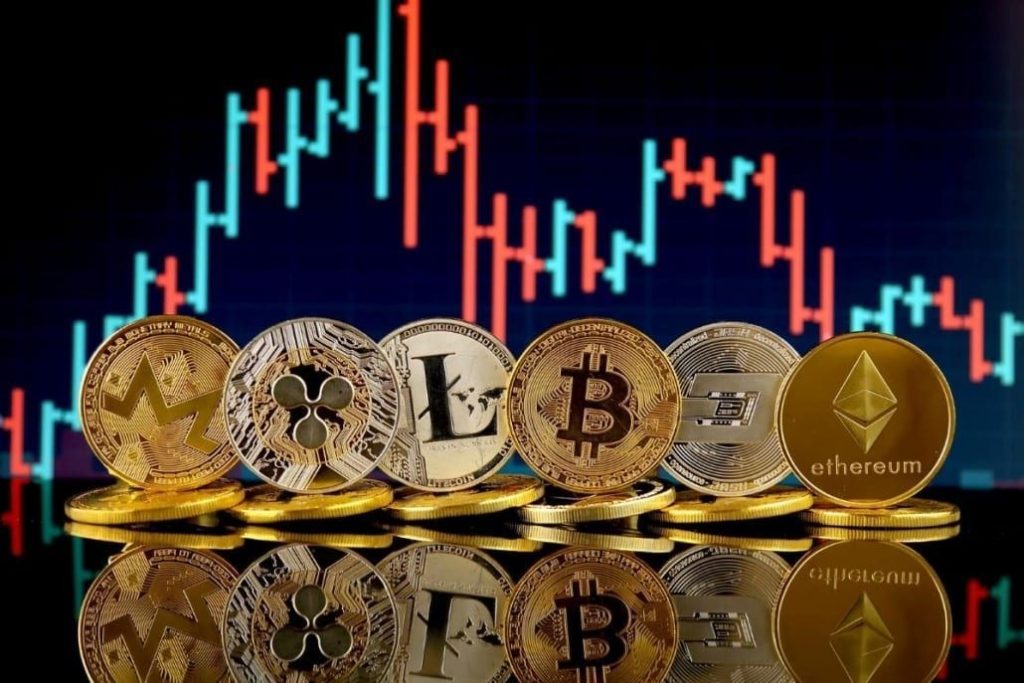
Known for its volatility, the cryptocurrency market has recently faced difficulties that could have a big effect on investors. Those who have made significant investments in digital assets are becoming alarmed by the market’s characteristics, which are balancing gains with steep drops. As we learn more about the current state of affairs, it is becoming more evident that a number of elements are coming together, which might put many investors in a risky situation. Anyone involved in the cryptocurrency market, whether they are institutional or ordinary investors, must comprehend these difficulties.
Market Volatility and Price Fluctuations
The world of cryptocurrencies is known for its sharp price swings. Despite their historical strength, major cryptocurrencies like Bitcoin and Ethereum have experienced notable declines. These assets have frequently retraced gains in recent months, creating concern for both novice and experienced investors. Bitcoin has witnessed a sharp drop from its all-time high, according to a number of market monitoring tools, which raises valid questions about whether this is a market correction or a sign of a bigger trend.
Macroeconomic considerations have a significant impact on price volatility in addition to market sentiment. Investor confidence is greatly impacted by economic indices including unemployment rates, central bank interest rates, and inflation rates. The vulnerability of cryptocurrency assets becomes more apparent in a setting where traditional financial markets are under duress. Many investors are in a risky situation because they must contend with both external economic constraints and the whims of the market.

The changing regulatory environment is another major obstacle for cryptocurrency investors. diverse jurisdictions have somewhat diverse reactions to cryptocurrency. In an effort to create frameworks that control trading and exchange practices, regions such as the United States and the European Union are strengthening rules. For investors, the unpredictability of prospective future legislation adds another level of risk.
Regulatory agencies are examining cryptocurrency exchanges. Platform-wide requirements for things like KYC (Know Your Customer) compliance and anti-money laundering laws are become more stringent. As exchanges adapt to these new rules, investors may discover that their trading alternatives are limited. In addition to prolonging uncertainty for those already committed, this regulatory scrutiny may discourage new investors from entering the market.
Security Risks: Hacks and Scams
In addition to being unstable, the world of cryptocurrencies is full of security threats. There have been many more reports of exchanges being compromised or investors falling for fraud. Investors may lose access to their investments overnight due to security breaches, which can result in significant financial losses. Numerous investors have been left stranded by high-profile incidents like the hacking of major exchanges, raising concerns about the security of their holdings.
Furthermore, because cryptocurrencies are decentralized, it may be difficult for investors to pursue legal action in the event of fraud or theft. The cryptosphere lacks a common structure that provides investor safety nets, in contrast to traditional investments, which are frequently safeguarded by regulatory agencies. Anxiety may result from this vulnerability, particularly for individuals who are unfamiliar with cryptocurrency trading.

Market Sentiment and Emotional Investing
The future of cryptocurrencies is heavily influenced by market opinion. Rather than using long-term viability or basic analysis, investors frequently base their decisions on their feelings. While panic selling can result in disastrous losses during downturns, the fear of missing out (FOMO) motivates people to invest during market surges. This psychological component of cryptocurrency investment makes things more difficult and frequently causes novice investors to make snap judgments.
Take the recent swings in the meme coin market as an example. When the market eventually changes, investors who hopped on the bandwagon during a hype phase may suffer significant losses, which raises fundamental questions about the long-term viability of such investments. In a market as volatile as cryptocurrencies, where the difference between success and failure can be extremely thin, emotional investing is especially risky.
Environmental Concerns and Sustainability
It is also impossible to ignore the problems that bitcoin mining poses to the environment. For example, mining Bitcoin is notorious for its high energy and carbon footprint. Investors may find themselves questioning their decisions as public awareness of climate change and technical sustainability increases. Declining interest and investment may result from the reaction against energy-intensive blockchain technology.
Several prominent individuals have expressed worries about the environmental impact of mining operations in recent months. Investors may experience societal pressure to fund environmentally harmful initiatives in addition to the financial consequences of falling pricing. Many are pushing for more environmentally friendly options to allay these worries, which may change the way people choose to participate in the cryptocurrency market.
Final Thoughts
Investors need to be alert and knowledgeable as the cryptocurrency market continues to change. A risky environment for cryptocurrency investments is created by a number of variables, including market volatility, regulatory pressures, security dangers, psychological issues, and environmental concerns. Investors must, however, adopt a long-term outlook and concentrate on initiatives with solid foundations and well-defined plans.Investors can learn more by participating in the community, going to webinars, and consulting with reliable financial analysts. Diversification can also help investors create a more robust portfolio by reducing the risks connected to specific assets.
Although the future of cryptocurrencies may seem unknown, investors may prepare for possible storms by keeping an informed viewpoint and creating tactics to navigate this complicated market. Crypto investors must continue to exercise skepticism, research the projects they support, and have a balanced perspective while making investments.
Frequently Asked Questions
What should I do if my crypto investment is losing value?
Consider holding onto your investment if you believe in its long-term potential. Gather more information about the project and assess market conditions before making any hasty decisions.
Is it safe to invest in cryptocurrency now?
While there are risks involved, investing in cryptocurrencies can be safe if approached with caution and proper research. Diversifying and investing in credible projects can mitigate financial strain.
How can I secure my crypto assets?
Using hardware wallets, enabling two-factor authentication, and keeping your private keys confidential can significantly enhance the security of your cryptocurrency investments.
What impact do regulations have on crypto prices?
Regulations can introduce uncertainty in the market, impacting investor sentiment and thus affecting prices. A clearer regulatory framework may lead to increased investor confidence over time.
The complexities surrounding cryptocurrency investments present both challenges and opportunities. As investors navigate this evolving landscape, an informed approach will be key to capitalizing on potential growth while mitigating risks. Understanding the macroeconomic factors at play, regulatory changes, and security concerns will empower investors to make informed decisions.